Canada
 USA
USA Japan
Japan



When businesses think about packaging, the first thing that often comes to mind is a box. But packaging is much more than a container around a product. It can affect product safety, storage space, packing time, customer experience, and the amount of waste a business creates.
Choosing the right packaging means looking at the complete picture. The product, its size, weight, shape, handling needs, and final use should all be considered. Small details that seem unimportant at first can make a big difference to the way a packaging process works.
Packaging Should Match the Product
Every product has different needs. A heavy item needs strong support, while a fragile item may need extra protection. Products with unusual shapes may also need a different packaging approach.
Before choosing packaging materials, businesses should study the product carefully. Think about what could happen if it is dropped, pressed, moved, or stored for a long time.
Important questions include:
- Is the product heavy or light?
- Can it break, bend, scratch, or leak?
- Does it have sharp corners or delicate parts?
- Does it contain several pieces?
- Does it need extra support inside the package?
Answering these questions can help businesses avoid choosing packaging simply because it is cheap or easy to find.
Strength Is Important, But More Is Not Always Better
Packaging needs enough strength to support the product. Weak packaging can tear, bend, or collapse when it is handled or stacked.
However, using the strongest possible material for every product is not always a smart choice. Extra material can add weight, take up more space, and create more waste.
The better approach is to match the packaging strength to the actual need. A package should provide suitable protection without adding material that serves no useful purpose.
The Right Size Can Make a Difference
Size is another factor that businesses sometimes overlook. A package that is much larger than the product leaves extra space inside. This can allow the product to move and may require more filling material.
A package that is too small creates other problems. It may put pressure on the product or leave no room for suitable protection.
The aim is to find a practical fit. The product should have enough space to be packed safely without leaving large amounts of unused space around it.
Good sizing can also make storage easier. Packages that are easy to stack and organise can help businesses use their available storage area more effectively.
Think About the People Using the Packaging
Packaging should work well for the people who prepare and handle it. If a package takes too long to assemble or requires many separate materials, it can slow down daily work.
Businesses should look at the packing process from the worker’s point of view. Can the package be opened, filled, closed, sealed, and moved without unnecessary effort?
Simple packing steps can help reduce confusion. Keeping packaging materials in an organised place can also make the process smoother.
Staff members can provide useful feedback because they work with the packaging regularly. Their comments may reveal problems that are easy to miss during purchasing or planning.
Storage Should Be Part of the Decision
Packaging choices can affect how products are stored before they are sold or shipped. Packages should be suitable for the available shelves, racks, pallets, or storage areas.
Businesses should think about how much space different package sizes need. If packaging takes up more room than necessary, storage can become less efficient.
Labels should also be easy to see when products are stored. Clear information can help workers find and identify items without opening packages unnecessarily.
Transportation Needs the Right Protection
Products can face movement and pressure when they are transported. The packaging should help keep the product stable throughout normal handling.
Internal protection may be useful when a product has space to move inside its package. It can help reduce contact between the product and the outer packaging.
Businesses should review their shipping packaging when they notice repeated damage. Instead of simply replacing damaged products, they should ask whether the packaging itself needs improvement.
Packaging Can Also Affect Presentation
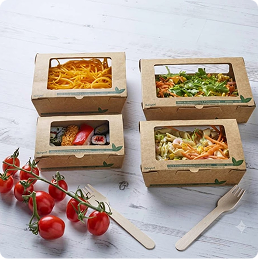
Protection is the main purpose of packaging, but appearance still matters. Customers notice whether a package looks clean, neat, and carefully prepared.
This does not mean every business needs expensive packaging. A simple package can still create a good impression when it is the right size, properly closed, and suitable for the product.
For online businesses, packaging can be especially important because the customer may see the package before seeing the product.
Avoid Unnecessary Packaging
Using more packaging does not always mean better protection. Extra layers, oversized containers, and unnecessary inserts can increase material use without solving a real problem.
Businesses should look at every part of their packaging and ask a simple question: “Does this material have a useful purpose?”
If a material does not improve protection, handling, storage, or presentation, it may be worth reviewing.
Reducing unnecessary material can also make packages easier to handle and may help businesses manage packaging waste more carefully.
Common Packaging Mistakes
Many packaging problems come from small decisions that are repeated over time.
Some common mistakes include:
- Using the same package for products with different needs
- Choosing packaging based only on price
- Leaving too much empty space
- Using weak materials for heavy products
- Adding too much protective material
- Making packages difficult to close
- Ignoring feedback from packing staff
- Failing to review damaged products
These issues may seem minor, but they can become costly when a business packs large numbers of products.
Frequently Asked Questions
Packaging does more than hold a product. It can protect the item, support storage, make handling easier, improve presentation, and help control the amount of material used.
Start by measuring the product and considering any protection it needs. Choose a size that gives enough room for safe packing without leaving large amounts of unnecessary space.
Not necessarily. Packaging strength should match the product’s weight, shape, and handling needs. Using more material than necessary may create extra cost and waste.
Review the amount of material used for each product. Avoid oversized packages and remove materials that do not provide a useful purpose, while still keeping suitable product protection.
There is no single schedule for every business. A review can be useful when products are damaged, packing becomes difficult, materials change, or the business starts selling new products.
Conclusion
Good packaging begins with understanding the product, not simply choosing a box. Size, strength, handling, storage, transportation, presentation, and material use all deserve attention.
By reviewing these areas and listening to staff and customer feedback, businesses can make practical improvements. The goal is simple: packaging should protect the product, support the work involved, and use materials in a sensible way.