Canada
 USA
USA Japan
Japan


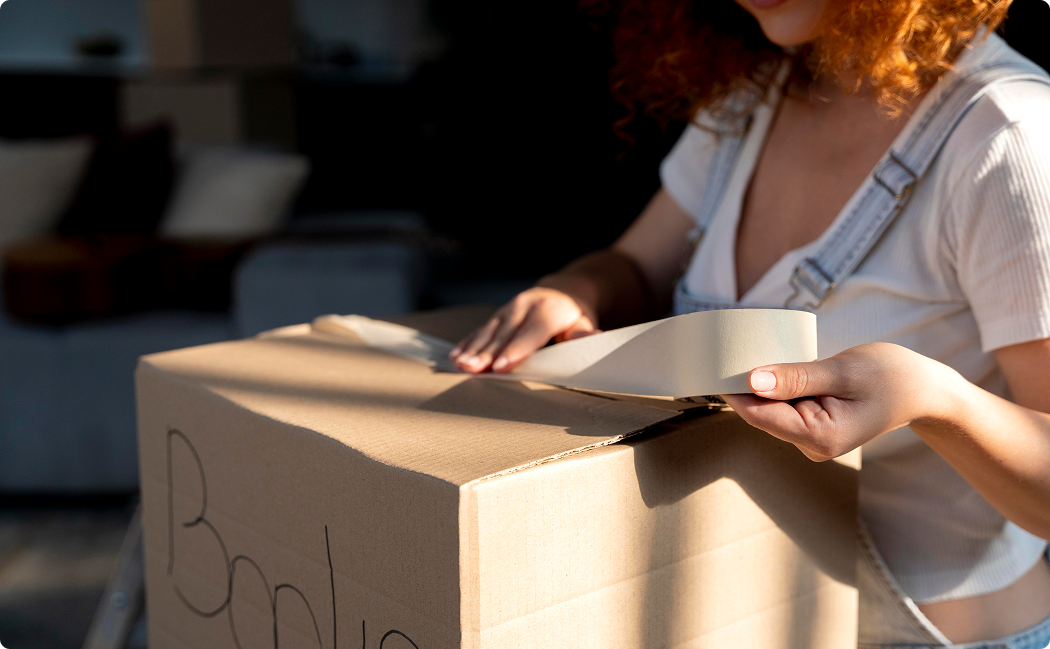
A product goes through many steps before it reaches a customer. It may stay in a warehouse, move through different handling points, travel in a delivery vehicle, and finally arrive at the customer’s doorstep. At every stage, the right packaging helps protect it.
Good product packaging is not only about making an item look neat. It helps protect products from dust, moisture, pressure, movement, and everyday handling. In this article, we will follow the journey of a product from the warehouse to the doorstep and explain how suitable packaging can help keep it safe.
Why Packaging Matters in the Warehouse
The packaging journey often starts before a product is ready to be shipped. Products may remain in a warehouse for days, weeks, or longer. During this time, they need protection from the conditions around them.
Good packaging can help protect products from:
- Dust and dirt
- Moisture
- Scratches and marks
- Pressure from other items
- Accidental drops
- Unwanted movement
Preparing Products for Packing
Before a product is packed, it should be checked carefully. This simple step can help prevent problems later in the delivery process.
The product should be clean, complete, and ready for shipment. Parts that can move, break, or
scratch other parts should be secured before the package is closed.
A Simple Packing Check
Staff can check:
- Is the correct product being packed?
- Is the product free from visible damage?
- Are loose parts secured?
- Does the product need extra protection?
- Is it ready for transportation?
Preparing the product properly means the packaging does not have to do all the work by itself.
Choosing Suitable Packaging Materials
There is no single packaging material that works for every product. The right choice depends on the item’s size, weight, shape, and level of protection needed.
A small, light product may need different packaging from a large or fragile item. The distance and type of transportation should also be considered.
When choosing packaging materials, think about:
- Product size and weight
- How fragile the product is
- How much movement may happen inside the package
- Storage conditions
- Shipping distance
- Handling during transportation
The package should provide enough room for protective material when needed. However, it should not be much larger than the product. Too much empty space can allow the item to move during transportation.
Protecting Products During Handling
Once a product leaves the warehouse, it may be handled several times. Warehouse workers, drivers, delivery teams, and other staff may handle the package before it reaches the customer.
This is why packaging needs to cope with normal movement and handling. A package that looks safe in a warehouse may face bumps, pressure, or changes in position during its journey.
Internal protective material can help keep the product in place. It can also reduce the chance of
the product hitting the sides of the box.
For fragile products, reducing movement inside the package is especially important. A secure fit
can help lower the risk of scratches, cracks, dents, or other damage.
Packaging for Transportation and Shipping
Transportation is one of the most important stages in the packaging journey. Products may travel through several locations before reaching the customer.
Packages can be moved between storage areas, vehicles, distribution centres, and delivery routes. During this process, they may be placed beside, below, or on top of other packages.
Think About the Full Journey
Before choosing shipping packaging, consider how the product will travel.
Ask:
- How far will the product travel?
- How will it be moved?
- Could other packages be placed around it?
- Could it face moisture or changing weather?
- Does it need extra internal protection?
- Is the outer package strong enough?
Thinking about these questions before shipping can help businesses choose packaging that fits the actual journey.
How Packaging Can Reduce Product Damage
Product damage can happen for many reasons. Sometimes the product is naturally fragile. In other cases, the package may not provide enough support or protection.
Suitable packaging can help reduce common problems by keeping the product secure and adding protection around it.
Internal packaging can limit movement. A suitable outer box can provide support during handling. Proper sealing can also help keep the package closed while it is being moved.
Packaging is only one part of safe shipping. Products should also be stored, handled, loaded, and transported properly.
The Role of Packaging During Delivery
The final stage is delivery to the customer. By this point, the package may have already travelled through several locations and been handled by different people.
The customer expects the product to arrive in good condition. Packaging should therefore continue to protect the item until the package is opened.
A properly prepared package can also make handling easier. Secure packaging is less likely to open or become damaged during the final stage of delivery.
For businesses, this stage also affects the customer experience. A damaged package can create frustration, even when the product inside is still usable.
What Happens When Packaging Is Not Suitable?
Poor packaging can create problems at different points in the supply chain. A package may be too weak, too large, too small, or unable to protect the product properly.
Common problems include:

- Products moving inside the package
- Boxes becoming damaged under pressure
- Products arriving scratched or broken
- Packages opening during handling
- Unnecessary packaging waste
- A poor customer experience
These problems can often be reduced by choosing suitable packaging before the product leaves the warehouse.
Simple Tips for Safer Packaging
Businesses do not always need a complicated packing process. A few basic checks can make packaging safer and more useful.
Choose the right size: Use packaging that fits the product without leaving too much empty space.
Protect weak areas: Pay extra attention to corners, edges, handles, and other parts that may be easily damaged.
Keep products secure: Use suitable internal protection when an item could move inside the package.
Seal packages properly: Make sure every package is securely closed before shipping.
Think about transportation: Choose packaging based on the product’s full journey.
Check before shipping: A final inspection can catch loose packaging, incorrect items, or other problems.
Review damaged shipments: If products often arrive damaged, review the packaging and handling process to find areas that need improvement.
Frequently Asked Questions
Product packaging helps protect goods during storage, handling, transportation, and delivery. It can reduce movement, protect against common damage, and help the product reach the customer in good condition.
Consider the product’s size, weight, shape, and how fragile it is. You should also think about how far it will travel and how it will be handled during shipping.
Suitable packaging can help keep products secure and reduce movement during handling and transportation. However, safe storage and careful handling are also important.
Packaging that is too large can leave too much empty space, allowing the product to move. Packaging that is too small may not provide enough protection. A suitable fit helps keep the product secure.
Businesses should check that the correct product is inside, loose parts are secure, protective material is suitable, and the package is properly sealed. A quick final check can help prevent avoidable problems.
Conclusion
From warehouse storage to the customer’s doorstep, packaging plays an important role throughout the delivery journey. The right packaging can help protect products from movement, pressure, moisture, and everyday handling.
For retailers, manufacturers, e-commerce businesses, and other companies that ship products, packaging should be planned around the product’s complete journey. By choosing suitable materials, securing products properly, and checking packages before shipping, businesses can create a safer and more effective packing process.
PHK Package can be considered when planning packaging needs, but the main goal should always be to choose packaging that suits the product, storage conditions, transportation, and delivery process.